You are halfway to the airport when the doubt lands. Did the garage door actually close, or is it sitting wide open for the next three days? For decades that single question meant a U-turn, an awkward favor from a neighbor, or an afternoon of low-grade worry. The connected garage retires that anxiety for good, and the platform doing most of the heavy lifting is myQ.
This piece is an expanded announcement built on an in-depth technical guide written by the Gate and Fence experts at Bay Area Lions Gate. Their team installs and commissions these systems every week, so their walkthrough goes deeper than most consumer explainers. If you want the full breakdown after this overview, read their original article here: Turn Your Garage Door Into a Smart Hub with the myQ Remote Control.
Table of Contents
ToggleWhat myQ Actually Does
myQ is a smart platform from the Chamberlain Group, the same company behind LiftMaster and Chamberlain openers. That shared ownership matters. Because one company makes the app, the cloud, and the motor, the integration is unusually tight. Many newer LiftMaster models ship with myQ baked in, no extra hardware required. The result is a garage door that speaks the same language as your phone, so the largest entrance to your home stops being a blind spot and becomes something you can watch, schedule, and control from anywhere on earth.
Two Roads Into the Ecosystem
You do not need a brand-new opener to get connected, and this is where a lot of homeowners are pleasantly surprised.
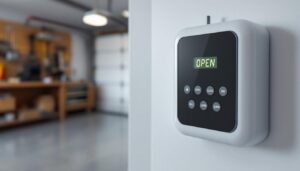
If your opener already wears a myQ or Wi-Fi badge, the antenna is inside the chassis. You pair it with the app and you are live in minutes. If your motor is a dependable workhorse from the nineties, a small retrofit hub called myQ Smart Garage Control bridges the gap. It mounts to the ceiling, mimics the signal your handheld remote sends, and pairs with a battery-powered tilt sensor stuck to the top panel of the door. The sensor knows whether the door hangs vertical or lies horizontal, which is how the app reports open or closed with no cameras and no complicated wiring. The Bay Area Lions Gate guide details both paths and explains which one fits which setup.
The Features That Change Daily Life
Opening a door from your phone sounds like a party trick until you actually live with it. Then it quietly rewires your routine.
Remote access means you can let in a repair tech from your desk or reopen a door you left gaping at the grocery store. Real-time alerts fire the instant the door moves, so a mid-afternoon opening while you are at work is no longer a mystery. Automated scheduling handles the classic morning-after horror of a door that stayed open all night, since you can set it to close itself at ten every evening. Guest access replaces the key under the flowerpot with revocable digital permissions for up to five co-owners and ten guests, and a timestamped event log shows exactly who came and went. Contractors, dog walkers, and teenagers all leave a clean audit trail.
Amazon Key and the End of Porch Piracy
The headline partnership is with Amazon. Through Amazon Key in-garage delivery, Prime couriers can place packages just inside your garage instead of on a rain-soaked, theft-prone porch. The driver receives a one-time digital token, never sees a code, and cannot re-enter once the door shuts. Amazon verifies the courier's identity and GPS position before the open button even activates in their app. Pair it with a myQ camera and you can watch the drop-off in real time. For anyone tired of chasing stolen boxes, this alone justifies the upgrade.
Your Car as a Garage Remote
myQ also reaches into the dashboard. Tesla owners get native control baked into the touchscreen on Model 3, Y, S, and X, and the door can open automatically as you roll into the driveway. Honda and Acura drivers reach the same controls through HondaLink and AcuraLink. The catch worth knowing before you buy is that vehicle integration usually rides on a paid subscription, generally somewhere between forty-five dollars a year and a longer multi-year plan.
Where myQ Gets Complicated
Honesty sells better than hype, so here is the fine print. myQ leans toward a walled garden. Chamberlain retired its native Apple HomeKit bridge, which means HomeKit users now lean on third-party workarounds like Homebridge running on a Raspberry Pi. Several premium hooks, including in-dash car control and certain automation recipes, carry recurring fees. And because the smart layer is cloud-based, an internet outage or a server hiccup temporarily strips the app features, though your wall button and car remotes keep working the whole time. None of this is a dealbreaker. It is simply the trade you accept for a tightly controlled, reliable ecosystem.
Security Built Into the Software
Digitizing your biggest door shifts part of the security conversation from steel and springs to encryption and software. myQ sends every open and close command through an encrypted channel, which shuts down the old code-grabbing trick thieves once used against radio remotes. Multi-factor authentication guards the account itself, so a stolen password is not enough to move your door. On the physical side, the platform complies with the UL 325 standard for unattended operation. It refuses to close remotely when the safety eyes are blocked, and it flashes and beeps before any hands-off closing so nobody standing nearby gets surprised.
What Happens When the Power or Wi-Fi Drops
A smart system earns trust through its failsafes. Lose power and the smart features go dark, but the manual release cord still works, and premium LiftMaster models with battery backup can keep running for a while. Lose Wi-Fi and the door simply reverts to an ordinary, non-smart opener you drive with the car remote or wall button. Nothing locks up. The garage always gets you inside.
If you are weighing a new opener or thinking about retrofitting the one you have, start with equipment that ships with myQ built in. Your garage stops being a storage box and becomes the command center for your home's logistics, security, and energy, and the peace of mind starts the moment you close the app.